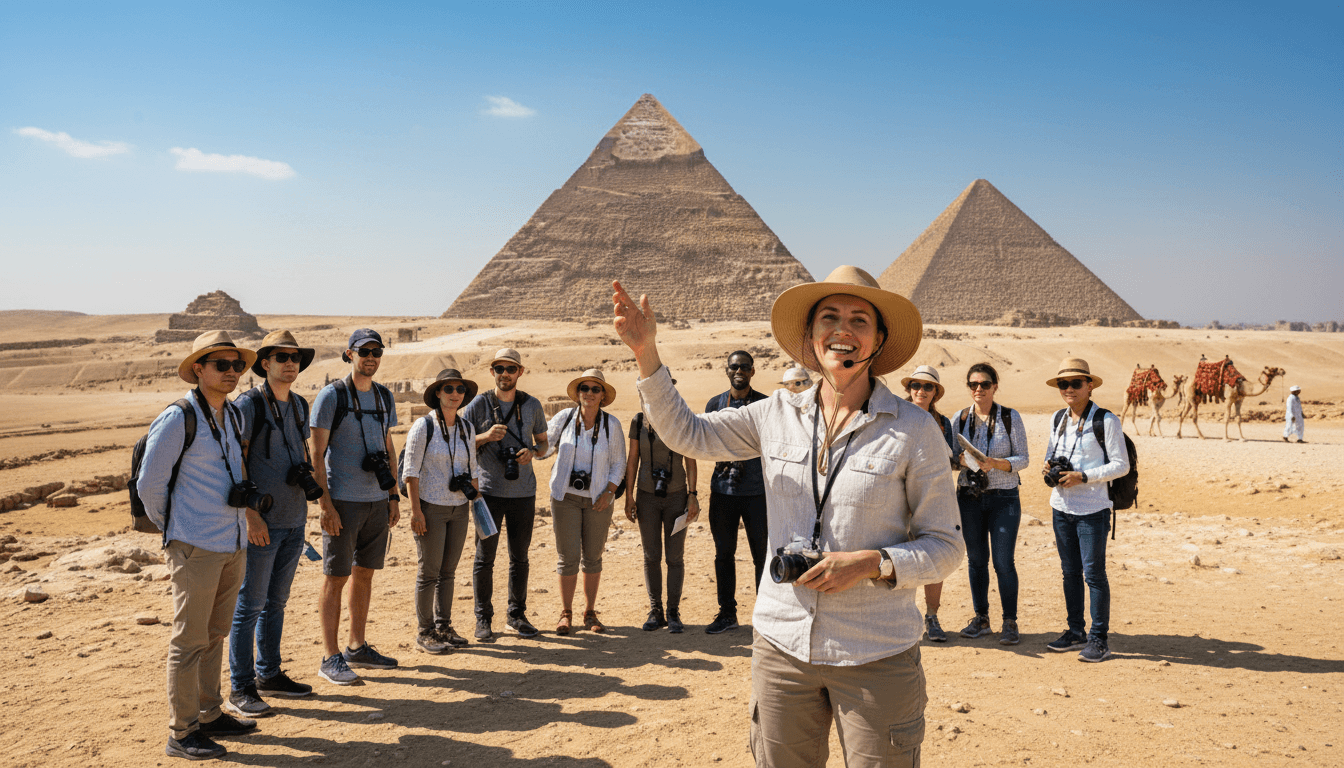
A first-time visitor can expect a personalized itinerary that blends major landmarks like the Pyramids and Nile cruises with professional insights into local culture and history. Knowing what to expect Egypt private tour includes packing modest clothing, carrying Egyptian pounds for tipping, and relying on a dedicated guide to handle transportation and site logistics.
Navigating the complexities of Egypt can feel daunting for even the most seasoned traveler, especially when faced with rigid group schedules and the sensory overload of Cairo. Many visitors worry about managing logistics or missing the deeper historical context amidst the crowds. Choosing a private tour changes the equation entirely, offering a tailored pace that respects both your interests and your comfort. In this guide, we provide an expert look at what to expect from your personalized journey. You will learn about seamless airport arrivals, essential cultural etiquette, and the nuances of local currency. We also cover practical packing strategies and health tips to ensure you remain energized from the Pyramids to the Nile. By the end, you will understand how a dedicated itinerary transforms a standard vacation into a sophisticated, stress-free exploration of the ancient world.
The Private Tour Advantage: How Your Experience Differs from Group Travel
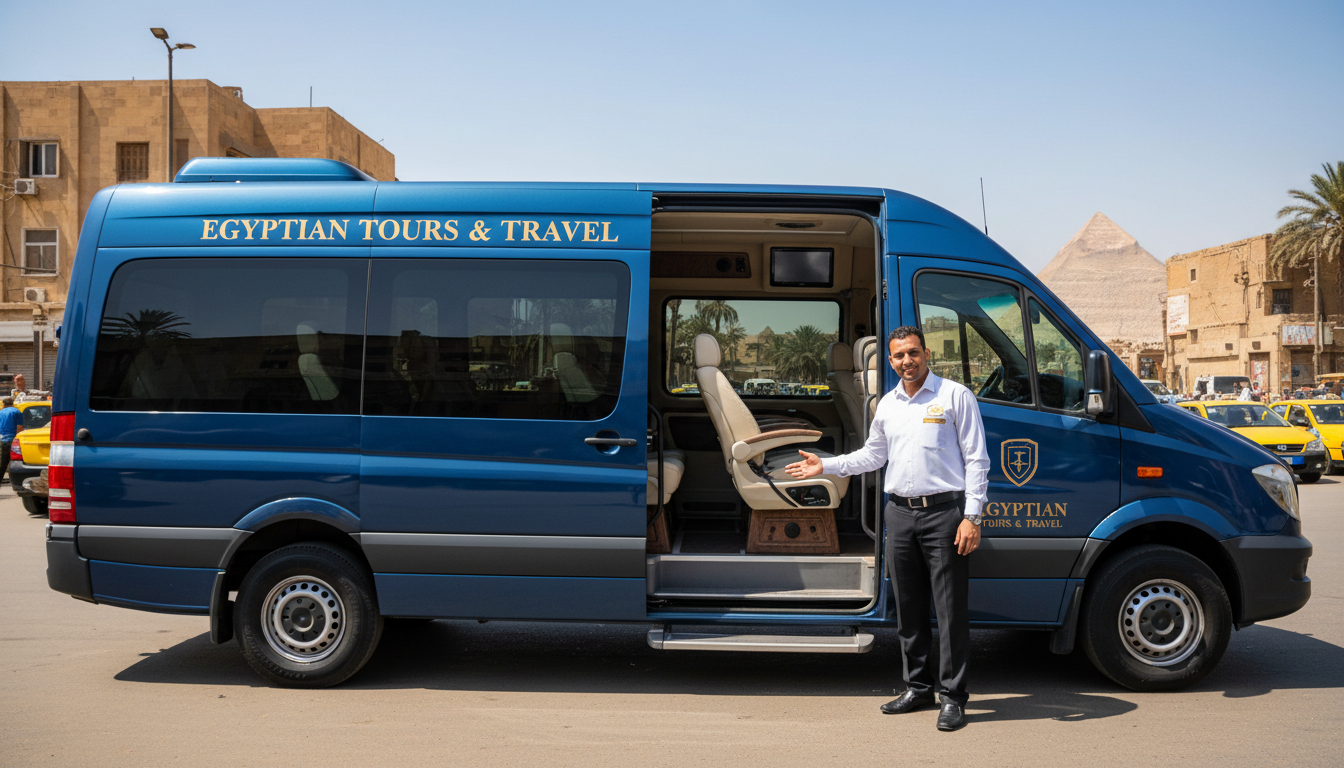
Understanding what to expect Egypt private tour starts with the distinction between a mass-market bus trip and a personalized journey. While large groups follow a rigid schedule dictated by a megaphone, a private excursion pairs you with a dedicated professional driver and a licensed Egyptologist. This division of labor is essential for a seamless trip. While your guide shares historical insights into the Old Kingdom, your driver focuses entirely on the logistics of the road, ensuring you never have to worry about parking or directions.
Flexibility remains the most significant benefit of this model. In a group setting, you are bound by the collective pace, often waiting for thirty other travelers to finish their photos. On private Cairo and Giza excursions, you retain total control of the clock. If the Great Sphinx captures your imagination, you can spend three hours studying its features and history. If you feel satisfied after thirty minutes, your team moves to the next site immediately.
Navigating Cairo traffic is frequently the most stressful element for first-time visitors. Large tour buses are slow and restricted by their size, often adding significant delays to an itinerary. Our private transportation options provide a more agile way to move through the city, utilizing climate-controlled vehicles that offer a quiet sanctuary from the bustling streets. Egyptian Tours & Travel builds every itinerary around an 'at your own pace' philosophy. By eliminating the rushed nature of many diverse day trip tours, we ensure that your time in Egypt is defined by genuine discovery rather than a rigid timetable.
Arrival Logistics: Navigating Cairo International Airport and Your First Transfer
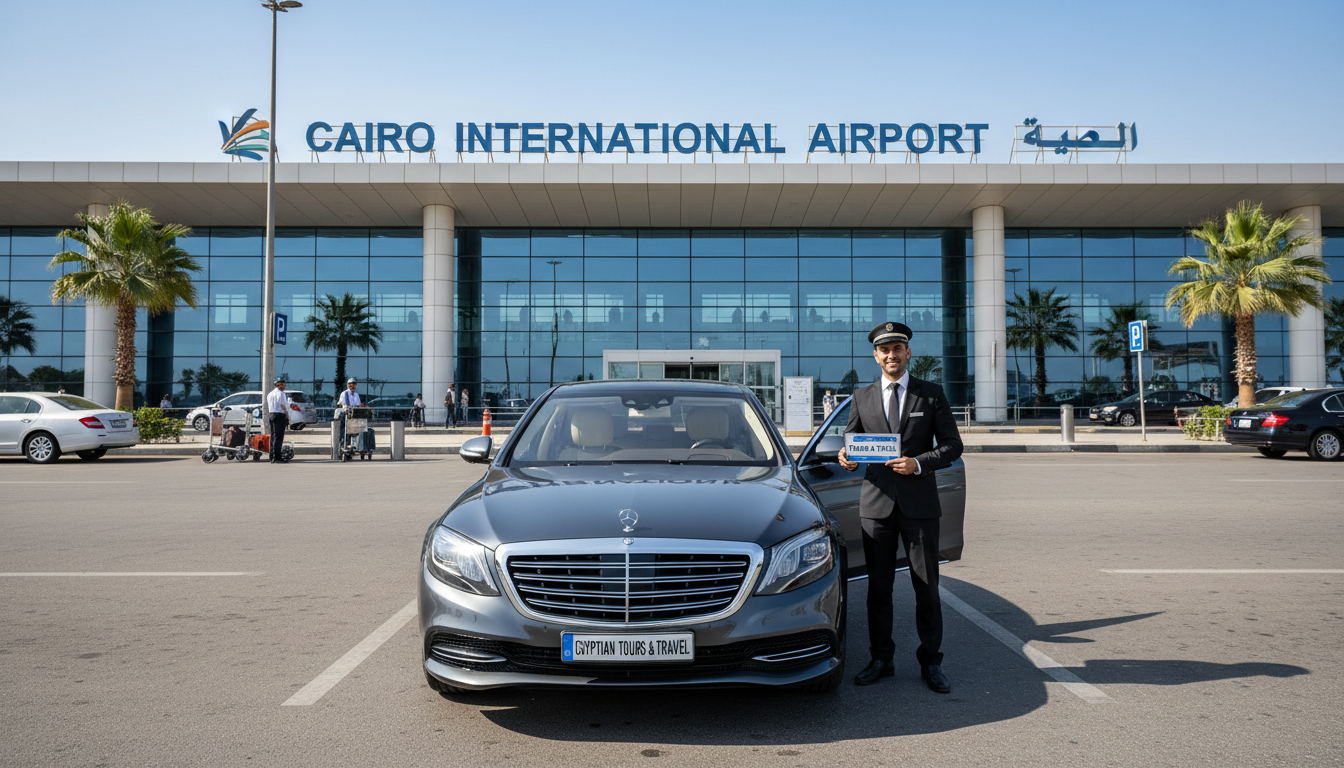
Stepping off the plane at Cairo International Airport (CAI) marks the beginning of your journey. The first hour is often the most confusing for travelers, but knowing the sequence simplifies the process. Before reaching passport control, locate the bank kiosks to obtain your visa on arrival. You must pay $25 USD in cash. Ensure these bills are crisp and undamaged, as older or torn currency may be rejected by the officials. Once you have the visa sticker, proceed through immigration and collect your luggage.
The exit from the terminal is where many first-time visitors feel a surge of sensory overload. This area is typically crowded with unauthorized taxi touts who can be persistent. By arranging your arrival through our private transportation options, you bypass this stress entirely. A representative will be waiting for you in the arrivals hall holding a clear sign with your name. They manage your luggage and guide you directly to a waiting, climate-controlled vehicle. This transition is a vital component of what to expect Egypt private tour logistics, as it moves you from the hectic terminal into a quiet, secure environment immediately. Instead of haggling over fares in the heat, you can settle into your seat and begin your diverse day trip tours with a smooth transfer to your hotel.
Egypt Culture and Etiquette: Modesty, Social Norms, and Personal Space
Once you have settled into your vehicle, your focus will naturally shift to the vibrant social landscape outside the window. Navigating the cultural nuances of Egypt requires an understanding of modesty and local customs. While Egypt is a modern country, it remains deeply rooted in conservative values. Dressing appropriately is the first step in showing respect for these traditions.
For both men and women, loose and breathable fabrics like linen or light cotton are far superior to tight, revealing clothing. Not only do these materials help regulate your body temperature during Cairo and Giza excursions, but they also align with local standards. Men should avoid short shorts, opting for trousers or longer shorts that reach the knee. For women, covering the shoulders and knees is the baseline for respectful daily sightseeing. A headscarf is generally not required for walking through the city or visiting ancient temples, but you will need one to enter a mosque. Carrying a light pashmina in your day bag is a practical way to prepare for these specific sites.
Social interactions follow specific unspoken rules that contribute to a smoother experience. Always use your right hand when shaking hands, offering a gift, or eating, as the left hand is traditionally reserved for personal hygiene. You will likely encounter the concept of "Egyptian time," a cultural trait where schedules are viewed with more flexibility than in Western nations. While your diverse day trip tours with us are strictly punctual, you may notice a more relaxed pace in local shops or social settings.
Understanding how to interact with street vendors is another essential part of what to expect Egypt private tour experiences. You will frequently be approached by individuals selling souvenirs. If you are not interested, a firm and polite "La Shukran" (No, thank you) accompanied by a small hand gesture is the most effective way to decline without being disrespectful. Maintaining this polite but firm boundary allows you to enjoy the atmosphere without feeling overwhelmed by the local commerce.
Money Matters: Tipping, Baksheesh, and Local Currency vs. USD
Managing your finances requires a shift in perspective when moving between local markets and luxury services. A common question for visitors is if $100 USD is considered a lot of money. While $100 is a significant sum in a local residential context, it does not go as far in the high-end tourism world of five star hotels and diverse day trip tours. For your daily needs, maintain a balance of currencies. Use Egyptian Pounds (EGP) for small purchases like water or snacks, as local vendors may not have change for foreign bills. Conversely, many tour operators and major hotels prefer or even require USD for larger transactions.
The concept of baksheesh is central to the Egyptian economy. It is not a scam; rather, it is a traditional gratuity that supplements base wages in the service industry. Small gestures of appreciation ensure smooth interactions and acknowledge helpfulness. To eliminate the guesswork of what to expect Egypt private tour gratuities, follow these standard ranges:
Recipient | Suggested Gratuity (EGP) | Notes |
|---|---|---|
Bathroom Attendant | 10 - 20 EGP | Essential to have small bills available |
Luggage Porter | 30 - 50 EGP | Per bag |
Professional Driver | 250 - 400 EGP | Per day, based on distance |
Licensed Guide | 500 - 800 EGP | Per day, based on expertise |
When planning your private transportation options or Cairo and Giza excursions, try to break larger EGP bills at your hotel or a bank. Carrying a supply of 5, 10, and 20 EGP notes will save you from the awkwardness of not having the correct change for a small service. This preparation allows you to navigate the day with confidence, ensuring you are ready for every interaction without hesitation.
Packing for the Desert and the City: A Seasonal Guide
With your daily currency needs organized, your next priority is physical preparation. Preparing your suitcase requires a strategic approach that accounts for Egypt’s dual climate: the intense sun of the desert and the breezy evenings of the city. If you visit during the high season from November to April, packing in layers is mandatory. While daytime temperatures are pleasant for exploring, the desert loses heat rapidly once the sun sets, making a light jacket or pashmina essential for evening private transportation options.
From May to September, the priority shifts to heat management. Choose moisture-wicking fabrics and loose linens that allow airflow. Regardless of the month, your footwear must prioritize function over fashion. The floors of ancient temples and the plateaus of Cairo and Giza excursions are uneven and dusty; closed-toe walking shoes with thick soles will prevent fatigue and protect your feet from hot sand and loose stone.
Understanding what to expect Egypt private tour logistics also means preparing your tech and health kit. Egypt uses Type C and E power adapters, the two-prong European style. Bring a high-capacity portable power bank, as a full day of diverse day trip tours at Saqqara or Giza will drain your phone battery through photos and GPS use. Finally, purchase high-SPF sunscreen before you leave home; it is often difficult to find specific brands locally, and imported bottles carry a heavy price premium at hotel gift shops.
Health and Safety: Staying Hydrated and Avoiding Pharaonic Tummy
While your packing list addresses external protection, internal health requires a specific set of habits. When learning what to expect Egypt private tour wellness requirements, the most critical rule is maintaining strict water discipline. Never drink tap water. Use bottled water for all consumption, including brushing your teeth, to avoid the bacterial imbalances known locally as Pharaonic Tummy. It is wise to pack rehydration salts and consult a medical professional about Antinal, an Egyptian medication highly effective for local stomach issues.
Physical safety at major sites is exceptionally high. You will encounter security checkpoints and scanners at all entrances during Cairo and Giza excursions. Beyond these formal measures, a private guide acts as a vital buffer between you and the hectic pace of local street life. By utilizing private transportation options for your diverse day trip tours, you remain in a secure, curated environment that mitigates the stress of navigating crowded public areas. This professional oversight allows you to focus entirely on the history rather than your surroundings.
What a Typical Day Looks Like on a Private Excursion
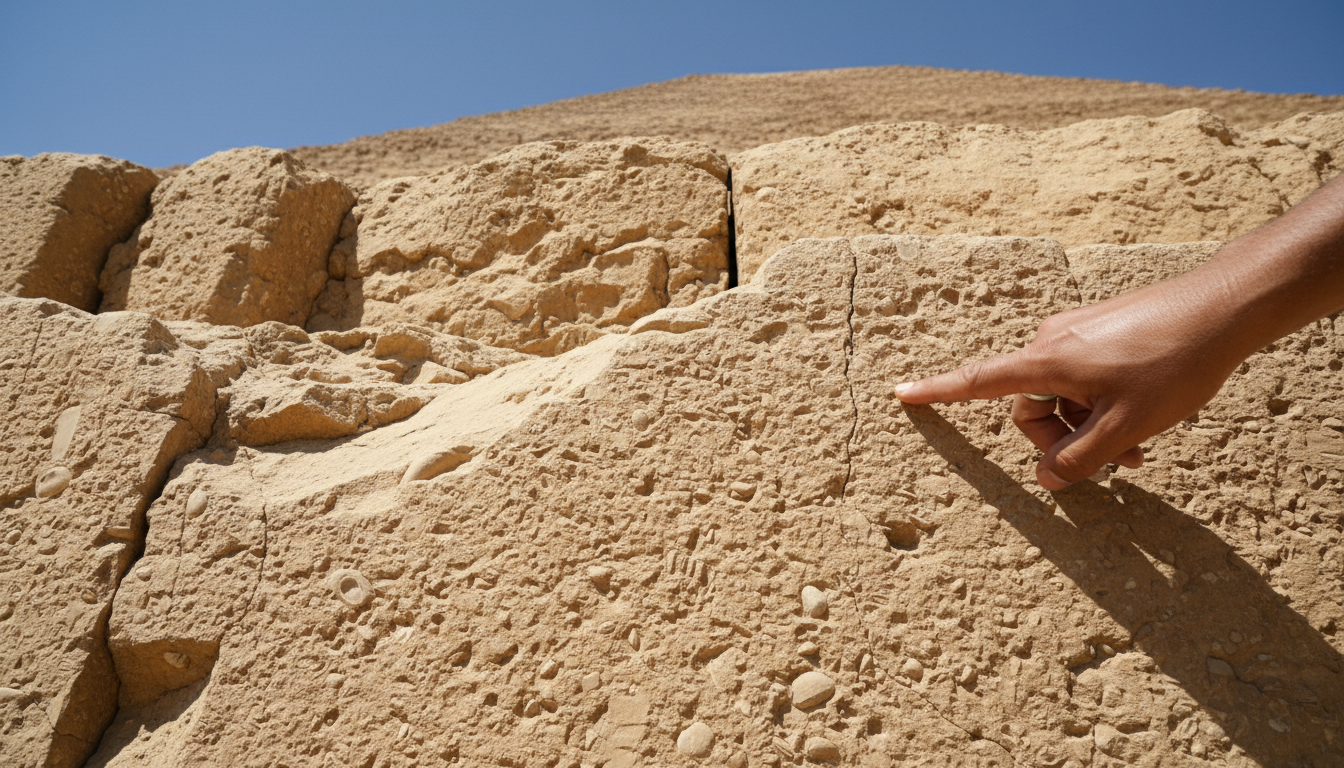
A standard day begins with a prompt 8:00 AM pickup from your hotel lobby. Your driver maneuvers through the morning bustle while your guide provides an overview of the upcoming sites. Arriving at the Giza Plateau early allows you to explore the Great Pyramid before the midday heat peaks and the largest crowds arrive. During these Cairo and Giza excursions, your Egyptologist observes your specific interests to adjust their delivery. A history buff might receive a deep dive into the engineering of the Old Kingdom, while a photography enthusiast is guided to specific vantage points for the best natural lighting on the Sphinx.
Midday meals avoid the mass market buffet stops typical of large groups. Instead, you visit curated local restaurants serving authentic dishes like grilled meats or fresh falafel in a quieter, high quality setting. The afternoon might include a visit to the Grand Egyptian Museum or a walk through the historic Khan el-Khalili bazaar. Because you have private transportation options at your disposal, the schedule remains fluid. This personalized pace is exactly what to expect Egypt private tour experiences to prioritize, ensuring you see the sites on your own terms rather than a pre-set timer.
Navigating the nuances of packing, local currency, and cultural etiquette is essential for a successful first trip to Egypt. While managing these logistics independently is possible, the experience becomes far more relaxing when you have professional support. If you want expert help planning your adventure, we are ready to assist. Exploring the wonders of Cairo & Giza with a private guide provides a seamless way to immerse yourself in the history without the stress of handling every detail alone.